Introduction
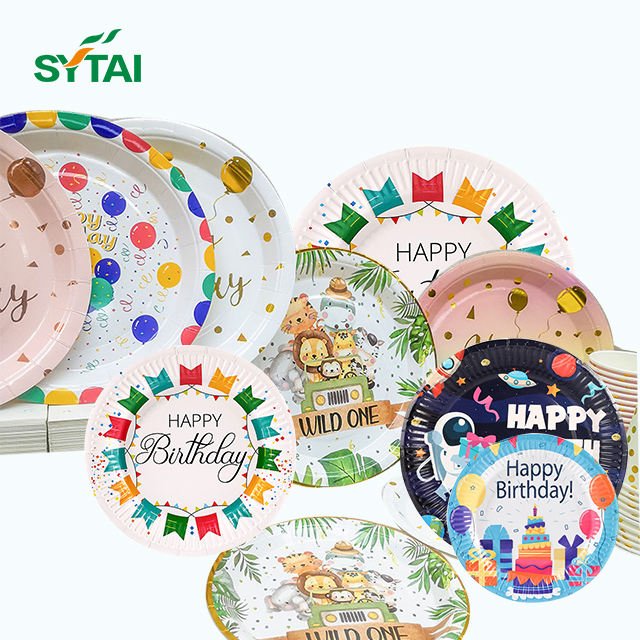
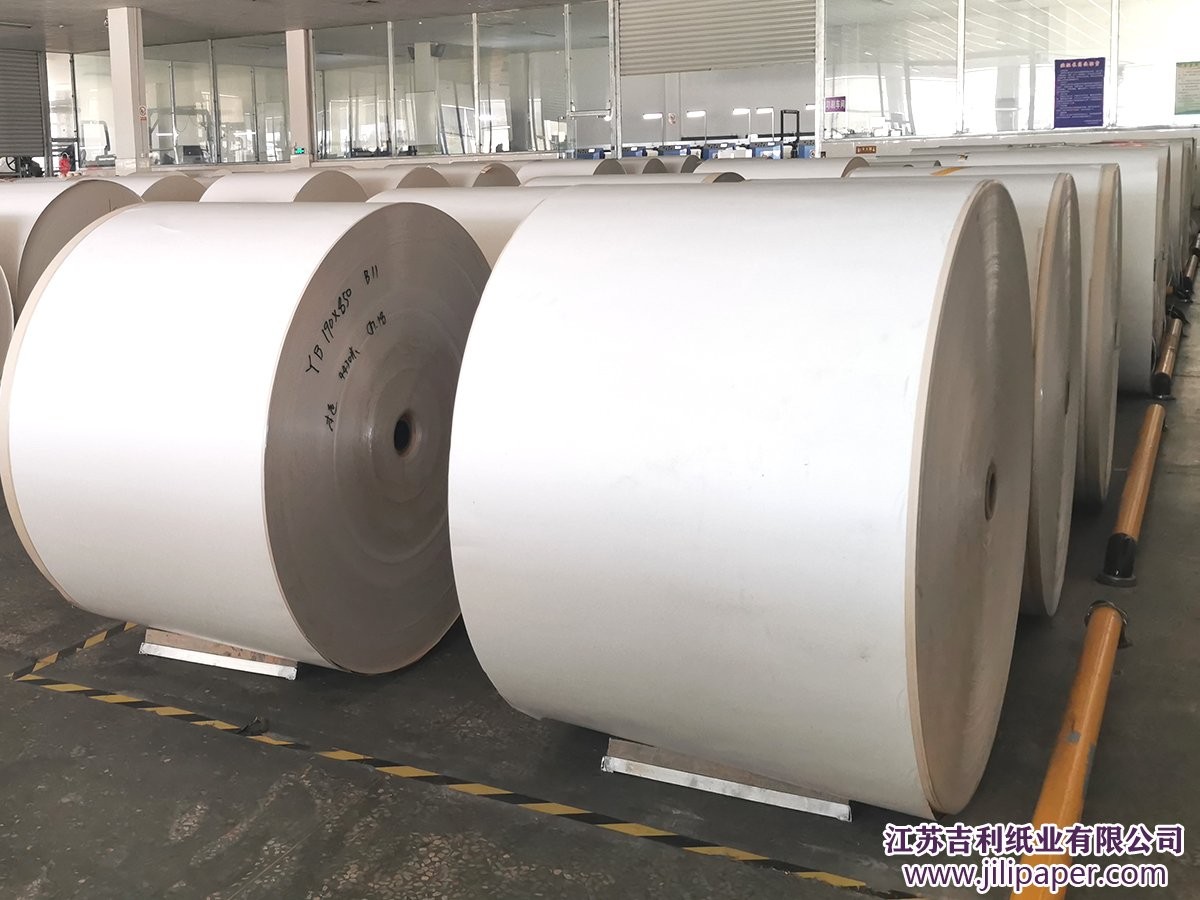
Custom printing transforms standard paper packaging into a powerful branding tool. In the competitive food service and retail packaging market, the print quality on your paper cups, plates, and containers directly impacts brand perception. The global paper cup market, valued at USD 2.8 billion in 2026, is increasingly driven by demand for high-quality, customized packaging.
This guide covers the four primary printing methods used in paper packaging: offset lithography, flexographic printing, digital printing, and screen printing. We compare their capabilities, costs, MOQs, and ideal applications.
1. Offset Printing (Lithography) ?The Gold Standard
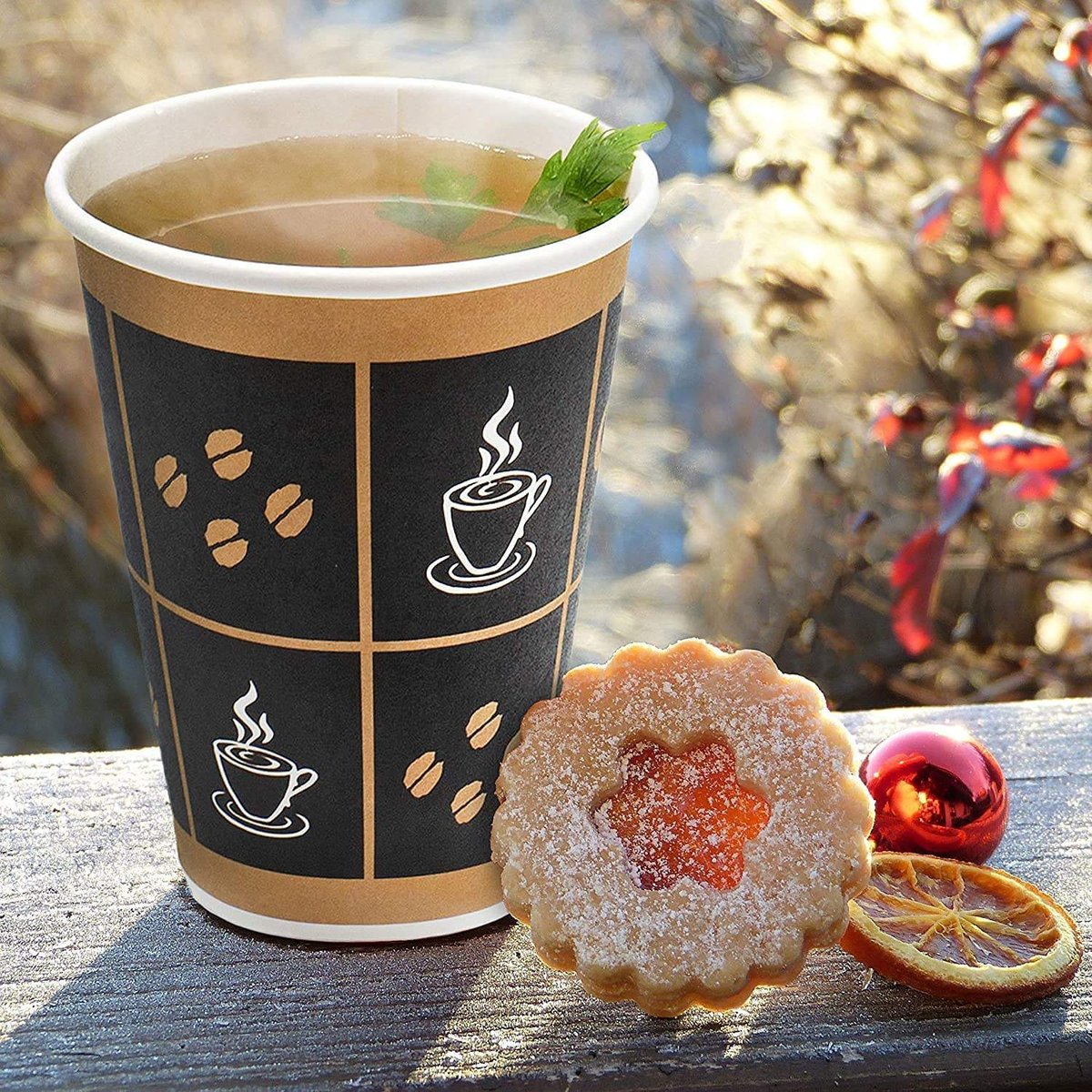
Offset printing is the most widely used method for paper cup and packaging decoration. It delivers exceptional image quality, consistent color reproduction, and excellent detail at competitive prices for medium-to-large production runs.
How Offset Printing Works:
In offset lithography, an inked image is transferred from a metal printing plate to a rubber blanket, then onto the paper surface. The process uses the principle that oil and water don't mix ?the image area attracts ink while the non-image area attracts a water-based solution.
Advantages of Offset Printing:
- Superior image quality ?sharp text and detailed graphics down to 0.1mm line width
- Color accuracy ?Pantone matching system (PMS) supported with precision
- Cost-effective at scale ?per-unit cost drops significantly above 10,000 units
- CMYK + spot colors ?up to 6-color printing available
Limitations:
- Higher setup costs for plates and make-ready
- Minimum order quantity typically 10,000?0,000 pieces
- Not ideal for short-run or variable data printing
Best for: Large-scale orders of 50,000+ cups with complex, multi-color designs. Widely used by major coffee chains, quick-service restaurants, and beverage brands.
2. Flexographic Printing ?The High-Volume Workhorse
Flexographic (flexo) printing uses flexible raised rubber or photopolymer plates to transfer ink directly onto the paper. It is the fastest printing method and the preferred choice for high-volume, simple designs on paper cups and food containers.
How Flexography Works:
Flexo uses a system of anilox rollers that meter a precise amount of ink onto the printing plate. The plate then transfers the ink directly onto the paper cup stock. Flexo presses can run at speeds exceeding 300 meters per minute.
Advantages of Flexographic Printing:
- High speed ?fastest printing method, ideal for mass production
- Cost-effective for very large runs ?lowest per-unit cost above 100,000 units
- Works on uneven surfaces ?can print on corrugated and textured papers
- Water-based inks available ?more environmentally friendly than solvent-based
Limitations:
- Lower resolution than offset (typically 150?00 LPI vs. 300+ LPI for offset)
- Color consistency is harder to maintain over long runs
- Plate costs are moderate but changeover time can be significant
Best for: Large production runs of simple designs ?2? spot color designs on standard cup sizes. Ideal for budget-conscious bulk orders.
3. Digital Printing ?The Flexible Option for Short Runs
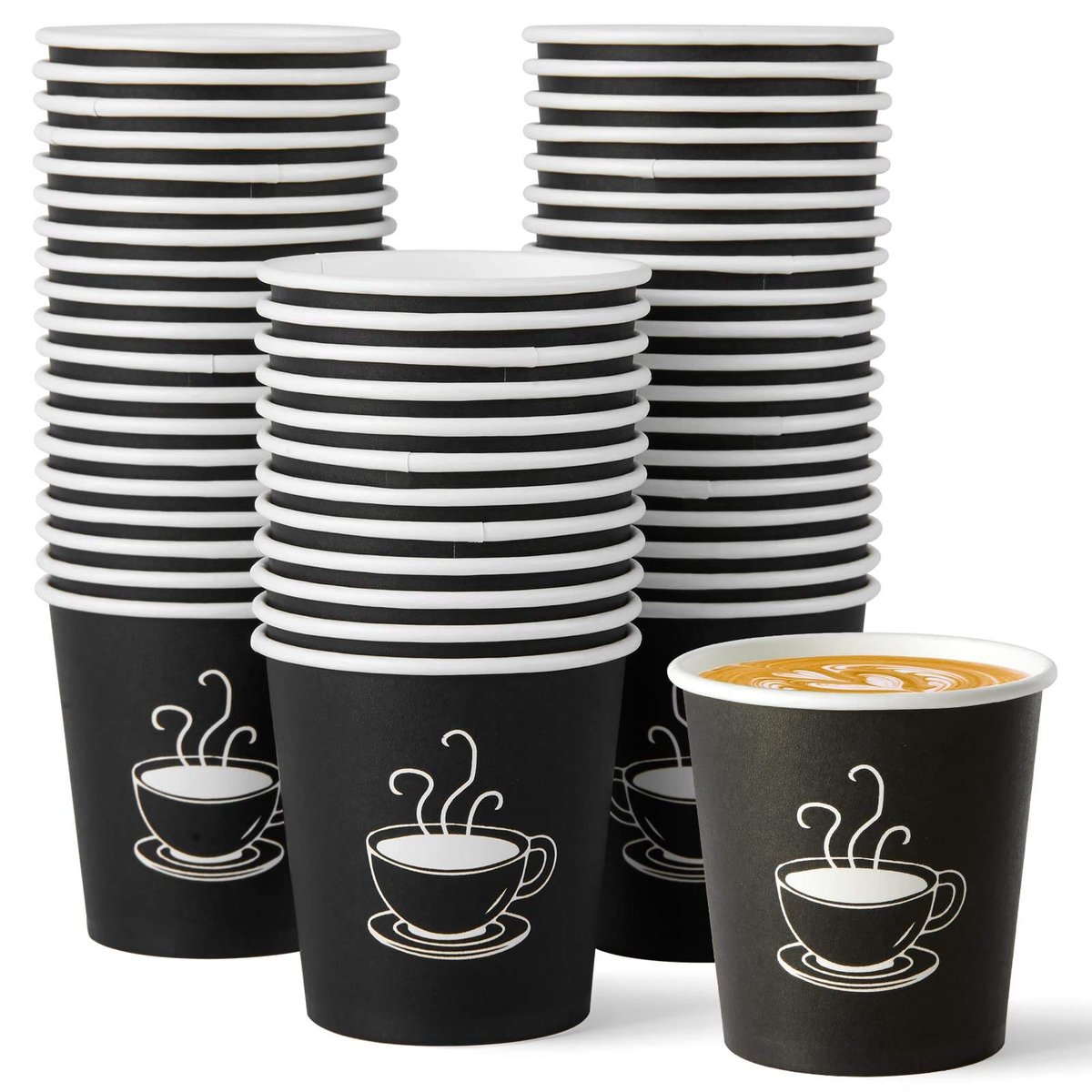
Digital printing has revolutionized the paper packaging industry by eliminating plates and setup costs. Images are printed directly from a digital file onto the paper using inkjet or electrophotographic technology.
Advantages of Digital Printing:
- Zero plate costs ?no minimum quantity, economical for runs as low as 500 pieces
- Variable data possible ?each cup can have a unique design or QR code
- Quick turnaround ?from file to finished product in 5?0 business days
- Easy design changes ?modify artwork between runs with no additional tooling
Limitations:
- Higher per-unit cost ?typically 1.5?x offset for equivalent quantities above 50,000
- Slightly lower color gamut than offset for PMS spot colors
- White ink printing is an additional process step
Best for: Small-to-medium runs (1,000?0,000 pieces), promotional campaigns, seasonal designs, test markets, and regional brands. Digital printing is also the best choice for multi-variant designs where each SKU needs different artwork.
4. Screen Printing ?Durable and Vibrant
Screen printing forces ink through a mesh stencil onto the paper surface. It produces a thicker ink layer than other methods, resulting in vibrant colors and excellent durability. While less common for paper cups, it is frequently used for specialty applications.
When to Use Screen Printing:
- Metallic and specialty inks ?gold, silver, and glitter effects
- High opacity white ?for printing on kraft or colored cupstock
- Thick ink deposits ?for tactile or raised finish effects
- Small batches of specialty items ?boutique or premium product lines
Best for: Premium packaging requiring metallic finishes, textured effects, or high-opacity white on dark substrates.
5. Gravure Printing ?Premium Quality for Ultra-High Volumes
Gravure (rotogravure) printing uses engraved cylinders to transfer ink directly onto the paper. It delivers exceptional image quality with remarkable consistency across extremely long production runs. While less common for paper cups than offset or flexo, gravure is widely used for high-end paper packaging and labels.
Advantages of Gravure Printing:
- Highest image quality ?superior to offset for photographic and gradient images
- Unmatched consistency ?identical print quality from first to last impression
- Extremely high speeds ?fastest press speeds of any printing method
- Excellent color uniformity ?ideal for solid color coverage on large areas
Limitations:
- Very high cylinder engraving costs (typically $2,000?,000 per cylinder)
- Minimum order quantity usually 100,000+ pieces to amortize tooling
- Longer setup time and expensive cylinder storage between reorders
Best for: Ultra-high-volume orders (500,000+) requiring premium image quality. Used by multinational brands for standardized packaging produced in massive quantities.
6. Printing Method Comparison Table
| Factor | Offset | Flexo | Digital | Screen |
|---|---|---|---|---|
| Image quality | 鈽呪槄鈽呪槄?/td> | 鈽呪槄鈽呪槅?/td> | 鈽呪槄鈽呪槄?/td> | 鈽呪槄鈽呪槄?/td> |
| Min. order quantity | 10,000 | 50,000 | 500 | 500 |
| Cost per unit (10K) | $$ | $$$ | $$$$$ | $$$$$ |
| Cost per unit (100K+) | $ | $ | $$$ | $$$$ |
| Setup time | 2? days | 1? days | None | 1 day |
| Color matching | Excellent | Good | Good | Excellent |
| Max colors | 6 (4C+2S) | 8 | Full CMYK | Unlimited |
7. Minimum Order Quantities (MOQ) and Lead Times
Understanding MOQ and lead time requirements helps you plan your ordering cycle effectively. Here is what to expect for custom printed paper packaging from China:
| Printing Method | Typical MOQ | Lead Time | Best For |
|---|---|---|---|
| Digital | 1,000?,000 pcs | 2? weeks | Test markets, small brands |
| Offset | 3,000?,000 pcs | 3? weeks | Mid-size brands, distributors |
| Flexo | 50,000?00,000 pcs | 4? weeks | Large volume orders |
| Gravure | 100,000+ pcs | 5? weeks | Ultra-high volume, premium |
For first-time buyers, we recommend starting with 1,000?,000 pieces using digital or offset printing. This lets you validate your design and market demand before committing to larger volumes. Most custom printing orders ship within 2? weeks from artwork approval.
8. Design Considerations for Paper Packaging Printing
Regardless of the printing method, these design factors affect print quality and cost:
Artwork Preparation:
- File format: AI, PDF, or EPS with all fonts outlined and images embedded at 300 DPI
- Bleed area: Minimum 3mm bleed on all edges beyond the trim line
- Safe zone: Keep all critical text and logos at least 5mm from the cup edge
- Seam alignment: On paper cups, account for the side seam where the cup is glued ?artwork should wrap correctly
Color Management:
- CMYK for 4-color process printing (photographic images)
- Pantone PMS for brand colors that must match exactly
- White underprint required when printing light colors on kraft paper
7. Custom Printing at Salon Paper
As an experienced paper packaging manufacturer, Salon Paper offers multiple printing options to suit your needs:
- Offset printing: Our primary method for high-quality custom cups ?4-color + 2 spot color capability
- Digital printing: Available for short-run orders from 1,000 pieces
- Flexo printing: For large-volume orders exceeding 100,000 pieces
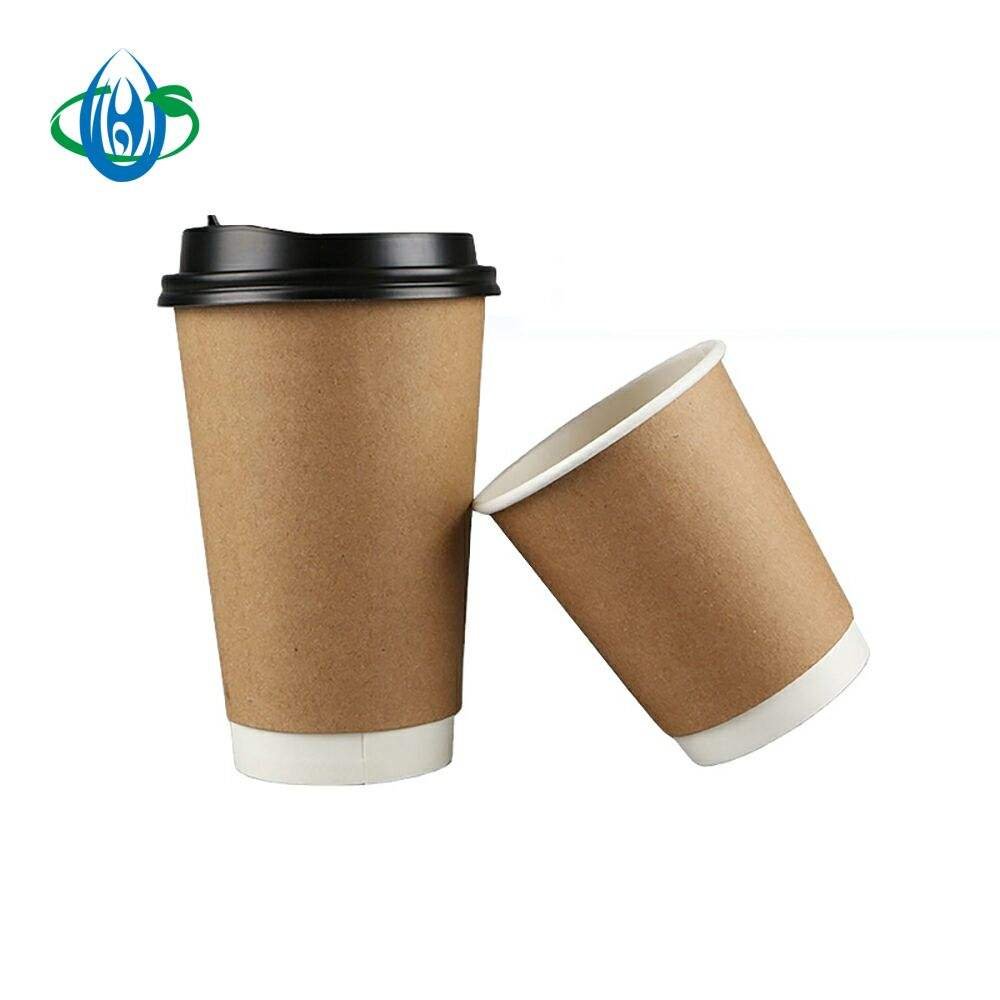
- Custom cup sizes: 4oz to 32oz in single-wall, double-wall, and ripple wall configurations
We provide free artwork review and pre-press proofing with every custom printing order. Our experienced print technicians help optimize your design for the specific printing method.
Conclusion
Choosing the right printing method for your paper packaging depends on your order volume, design complexity, budget, and quality requirements. Offset printing delivers the best balance of quality and cost for medium-to-large runs. Digital printing offers unmatched flexibility for short runs and fast turnaround. Flexo is the most economical choice for very large, simple designs.
Our team can help you select the optimal printing method for your specific project. We offer free artwork review, pre-press proofs, and samples of previous print work for evaluation.
Ready to Customize Your Paper Packaging?
Visit www.salonpaper.com to discuss your custom printing needs. Free artwork review and samples available.
Discuss Your Project