Introduction
The global paper cup market is projected to reach USD 2.8 billion in 2026 and grow to USD 9.9 billion by 2036, at a CAGR of 4.5%. At the heart of every paper cup is its base material �?the paperboard that determines strength, insulation, printability, and food safety. Choosing the right base paper is the most critical decision in paper cup manufacturing and sourcing.
Whether you are a distributor, brand owner, or packaging buyer, understanding paper cup materials helps you make informed sourcing decisions. In this comprehensive guide, we break down every type of base paper used in paper cup production.
1. Virgin Cupstock Paper �?The Industry Standard
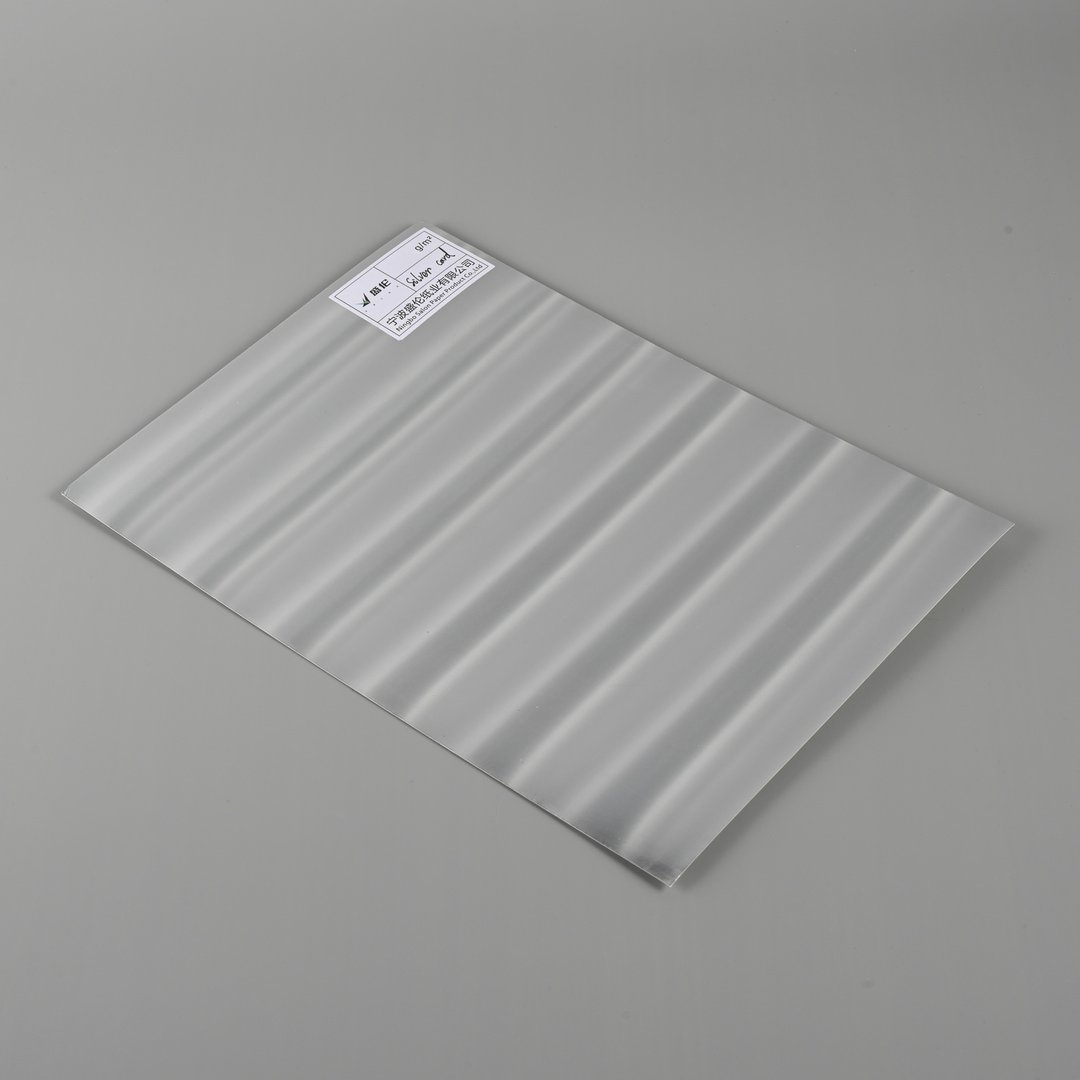
Virgin cupstock is the most widely used base paper for paper cups. Made from 100% virgin wood pulp, it offers superior strength, a clean white surface, and excellent printability. Cupstock is typically produced in grammages ranging from 170�?50 gsm, with 190�?80 gsm being the most common range for standard disposable cups.
Key Properties of Cupstock:
- High stiffness �?essential for maintaining cup shape when filled with hot liquids
- Excellent smoothness �?enables high-quality offset or flexographic printing
- Food-grade certification �?FDA 21 CFR 176.170 compliant for aqueous and fatty foods
- Good dimensional stability �?minimal curl during high-speed cup forming
Virgin cupstock is the preferred choice for single-wall and double-wall hot cups, cold drink cups, and ice cream cups. Major global brands specify virgin fiber cupstock for its consistent quality and reliable supply chain.
2. PE-Coated Paperboard �?The Liquid Barrier Solution
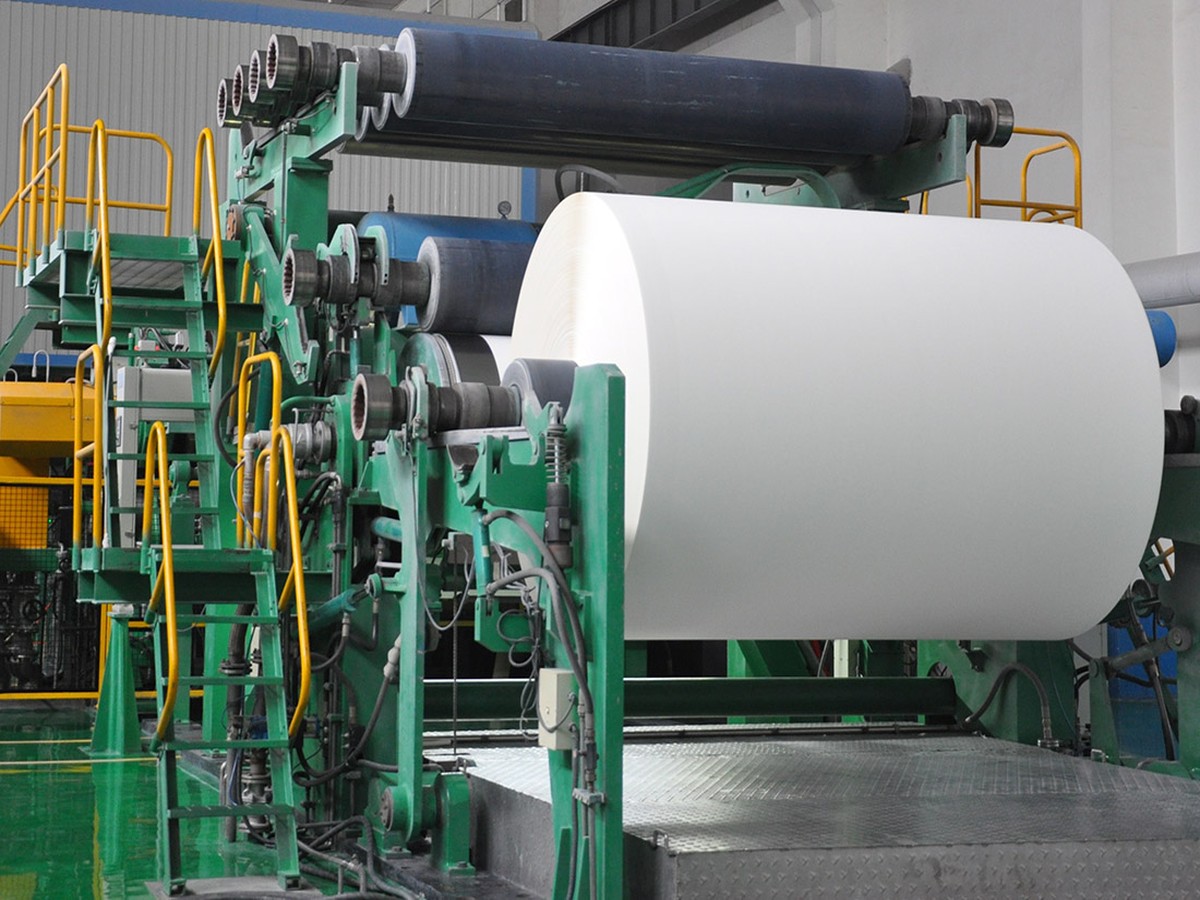
Polyethylene (PE) coating is applied to the inner surface of cupstock to create a waterproof barrier. PE-coated paperboard is the dominant material in the global paper cup market, accounting for approximately 58% of all paper cup production. It prevents liquid absorption and maintains cup integrity for hours. The coating is typically applied at 8�?5 gsm per side, depending on the application.
PE Coating Grades:
- Standard PE (LDPE): 8�?5 gsm �?suitable for cold drinks and short-duration hot drinks
- Heavy PE (LDPE): 18�?5 gsm �?for extended hot beverage contact (30+ minutes)
- Double-sided PE: Coating on both sides �?for ice cream cups and soup containers
The global PE-coated cupstock market is mature and well-established. While PE-lined cups are recyclable in specialized facilities, they require separation of the plastic layer from the paper fiber. Most standard paper cups use cupstock in the 160�?00 gsm range, with 190�?80 gsm being the most common for disposable hot and cold drink cups.
3. PLA-Lined Paper �?The Compostable Alternative
Polylactic acid (PLA) is a biodegradable polymer derived from corn starch or sugarcane. PLA-lined paperboard offers a compostable solution for paper cups, meeting the growing demand for sustainable packaging. PLA coating is typically applied at 15�?0 gsm and performs similarly to PE for cold drinks.
PLA vs. PE �?Comparison:
| Property | PLA-Lined | PE-Lined |
|---|---|---|
| Max temperature | 50°C (122°F) | 90°C (194°F) |
| Compostable | Yes (industrial) | No |
| Cost premium | +20�?5% | Baseline |
| Best for | Cold drinks, iced coffee | Hot coffee, tea, soup |
PLA-lined cups are an excellent choice for brands with strong environmental commitments. However, they require industrial composting facilities and are not suitable for hot beverages above 50°C.
4. Kraft Paper �?The Natural Look
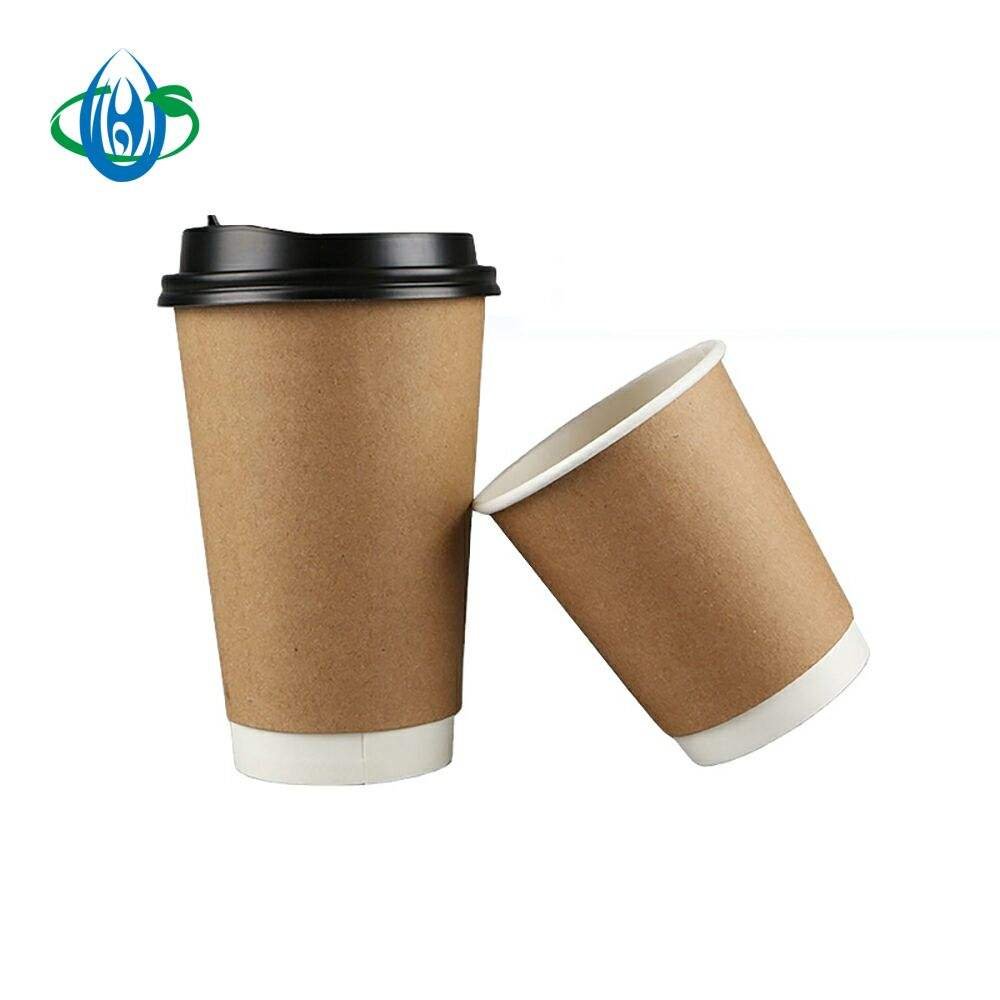
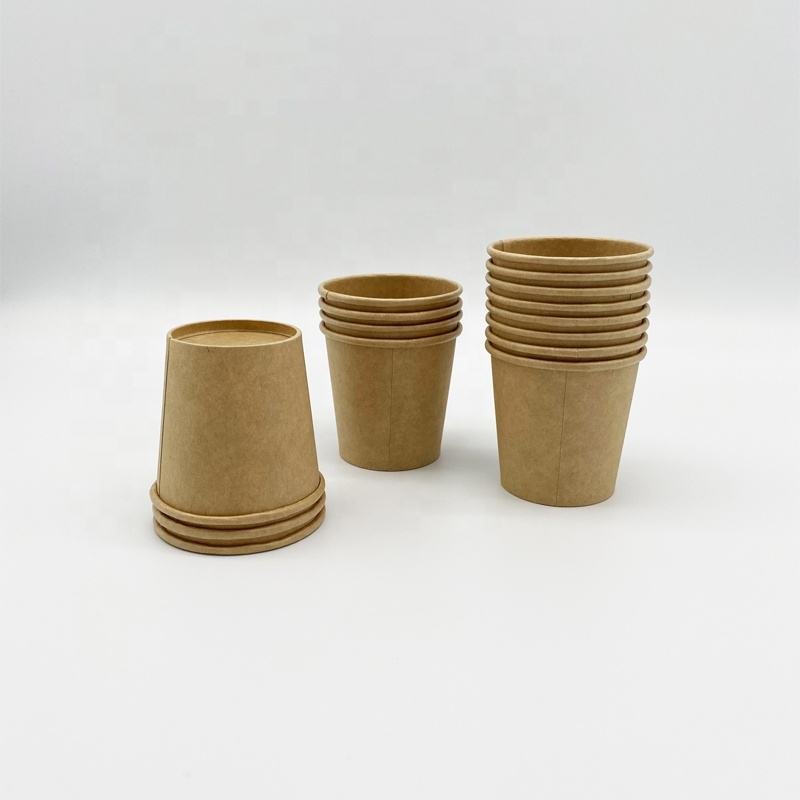
Kraft paper cups have gained popularity for their natural brown appearance, appealing to eco-conscious consumers. Kraft cupstock is made from unbleached virgin pulp, retaining the natural lignin color of wood fiber. It is available in both single-wall and double-wall configurations.
Advantages of Kraft Cupstock:
- Natural aesthetic �?communicates "eco-friendly" without printing
- Reduced bleaching �?lower chemical processing compared to white cupstock
- Good print contrast �?works well with dark ink designs
- Cost-competitive �?typically 5�?0% less expensive than bleached white
Kraft cups are widely used in coffee shops, delis, and food trucks that want to project a natural, artisanal brand image. They pair well with ripple wall insulation for hot beverages.
5. Ripple Wall Paper �?Insulation Without a Sleeve
Ripple wall (or corrugated) paper cups use an outer layer of embossed paper that provides insulation while keeping the cup comfortable to hold. The base paper for the ripple layer is typically 150�?00 gsm cupstock, while the inner liner uses standard PE-coated cupstock.
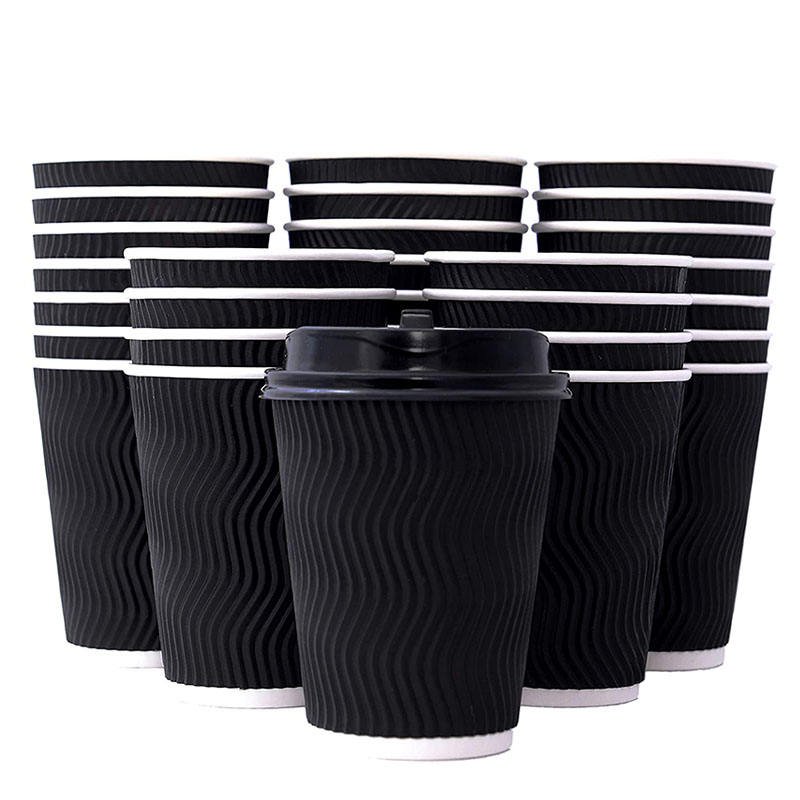
Ripple wall cups offer several advantages over double-wall designs: they use less paper (lower material cost), are lighter in weight (reducing shipping costs), and provide a textured grip surface. They are popular for hot coffee and tea at specialty cafes.
6. Choosing the Right Material for Your Application
Your choice of base paper depends on the specific application. Here is a quick decision guide:
| Application | Recommended Material | Key Consideration |
|---|---|---|
| Hot coffee / Tea | PE-coated cupstock 250�?80 gsm | Heat resistance + insulation |
| Cold drinks / Soda | PE-coated cupstock 190�?20 gsm | Condensation resistance |
| Ice cream / Desserts | Dual PE-coated 200�?50 gsm | Moisture barrier both sides |
| Soup / Hot food | Heavy PE-coated 280�?50 gsm | Extended hot contact time |
| Eco-friendly brand | PLA-lined or Kraft 220�?80 gsm | Compostability + natural look |
| High-end cafe | Ripple wall corrugated | Insulation + premium feel |
7. Certifications and Compliance
Regardless of the base paper you choose, ensure your supplier holds the following certifications:
- FDA 21 CFR 176.170 �?Food contact compliance (required for US market)
- EU Framework Regulation 1935/2004 �?European food contact compliance
- FSC® Chain of Custody �?Sustainable fiber sourcing certification
- ISO 9001:2015 �?Quality management system certification
At Salon Paper, all our base papers meet FDA and EU food contact standards. We maintain FSC certification and ISO 9001 quality systems.
Conclusion
Choosing the right base paper for your paper cups is a strategic decision that affects product performance, cost, brand perception, and environmental impact. Virgin cupstock remains the gold standard for most applications, while PLA-lined and kraft options provide sustainable alternatives for eco-conscious brands. Ripple wall cups offer an excellent balance of insulation and cost-effectiveness.
For expert guidance on selecting the optimal paper cup material for your market, contact our team. We offer free samples of all base paper types so you can evaluate quality firsthand.
Need Help Choosing the Right Paper Cup Material?
Visit www.salonpaper.com for free samples and competitive pricing on all paper cup base materials.
Request Free Samples